
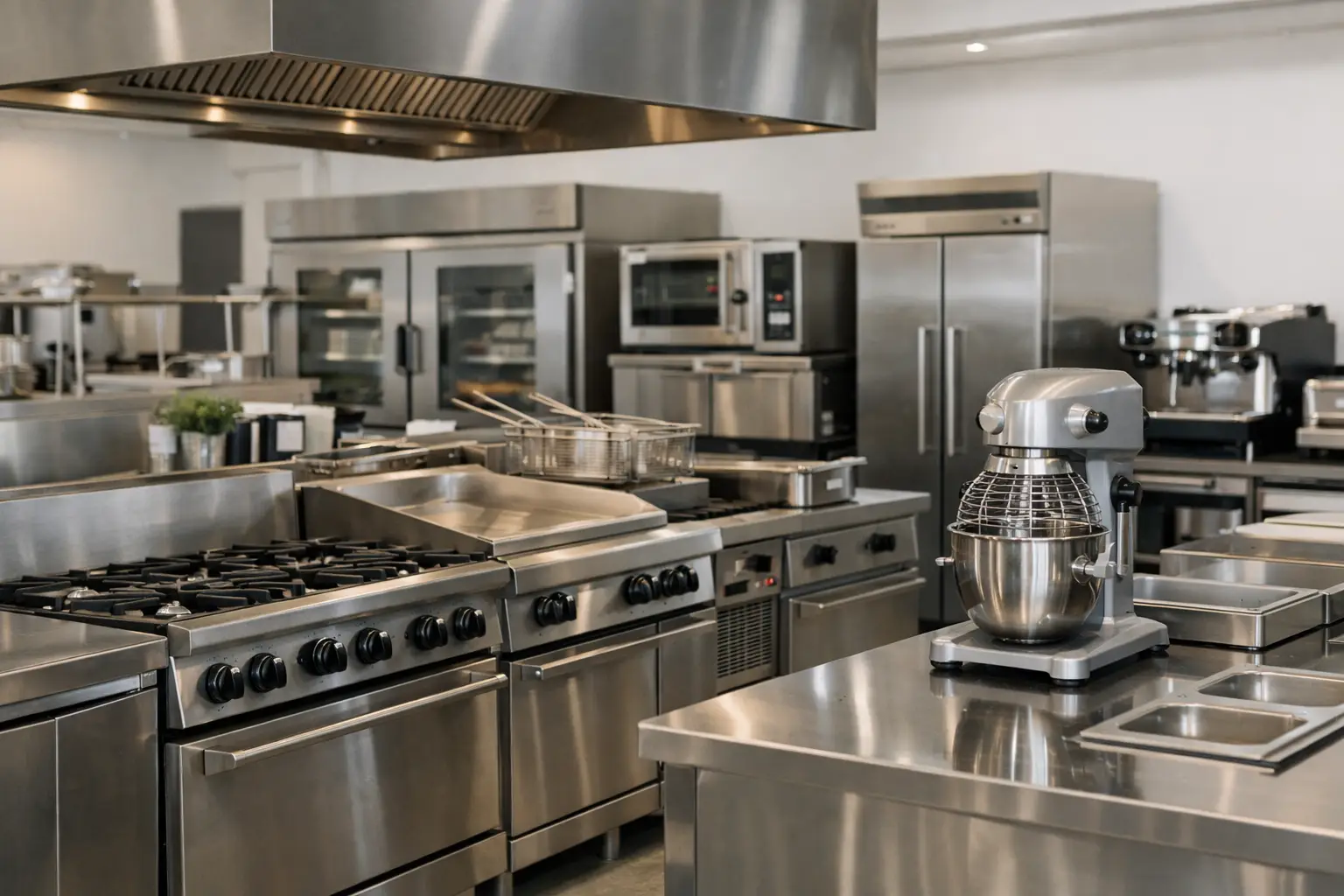
A combi oven that cannot keep up with the lunch rush, a fridge that runs warm on a 38-degree day or a poorly planned wash-up area can cost far more than the original purchase price. Choosing a commercial kitchen equipment supplier Sydney operators can depend on is about protecting service, food quality and staff productivity from day one.
Whether you are fitting out a new café, replacing a tired fryer in a pub kitchen or increasing production for a bakery, the right equipment needs to suit your menu, available space, utilities and budget. The best result is rarely achieved by buying the cheapest unit in each category. It comes from selecting reliable equipment that works together in a practical kitchen layout.
Start with the way your kitchen actually operates
Commercial equipment should follow workflow, not just a wish list. Before comparing brands, prices and specifications, map out how food and people move through the kitchen. Receiving, dry storage, cold storage, preparation, cooking, pass, wash-up and waste all need clear consideration.
A compact takeaway shop may need a bench-top griddle, fryer, underbench refrigerator and display cabinet that make the most of a narrow footprint. A busy restaurant might need a cooking line with a gas range, chargrill, wok burner and combi oven, backed by substantial refrigerated storage. For an aged-care facility or school kitchen, capacity, temperature control, easy cleaning and repeatable production can matter more than a broad menu.
This is where specialist advice pays off. A supplier should ask what you are serving, how many covers you expect, when your peak periods occur and who will operate the equipment. They should also ask about access, ventilation, gas and electrical supply, floor drainage and the dimensions of doorways and lifts. These details determine whether a unit is merely suitable on paper or practical in your venue.
What a commercial kitchen equipment supplier in Sydney should cover
Buying from several suppliers can appear cheaper at first. It can also leave you coordinating delivery dates, product compatibility and warranty queries across multiple businesses. For a new venue, refurbishment or expansion, sourcing cooking, refrigeration, wash-up and stainless-steel infrastructure through one experienced supplier makes the project easier to manage.
A capable commercial kitchen equipment supplier in Sydney should offer more than a few popular appliances. Look for a range that supports the full kitchen workflow, including gas cooking ranges, combi ovens, fryers and wok burners; upright, underbench and counter refrigeration; glass-door display cabinets; commercial dishwashers; food preparation machinery; bakery equipment; workbenches, sinks and shelving; and bench-top appliances for smaller operations.
Range matters because each operation has different constraints. A caterer may need high-output equipment that can be transported or set up for events. A club may prioritise durable cooking equipment and fast dishwashing for high-volume service. A café might be focused on refrigerated display, compact preparation benches and efficient storage. The right supplier helps narrow the options without pushing a unit that is oversized, underpowered or wrong for the job.
New equipment, pre-owned value or a mix of both?
New commercial equipment brings current features, manufacturer warranty support and the confidence of a known service history. It is often the sensible choice for critical equipment that runs constantly, such as refrigeration, dishwashers and high-volume cooking appliances. It can also be the better option where energy efficiency, capacity or compliance requirements have changed.
Quality pre-owned equipment can be a smart way to stretch a fitout budget, particularly for stainless-steel benches, shelving, selected cooking units or equipment needed for a short-term expansion. The trade-off is that stock availability can vary, and the warranty terms may differ from a new purchase. Ask clear questions about condition, testing, inclusions and warranty before committing.
Many successful kitchens use a mix. Investing in new refrigeration and wash-up equipment while choosing quality pre-owned stainless steel or selected cooking equipment can preserve cash for ventilation, signage, staff training and opening stock. The key is to make the choice deliberately, rather than treating all equipment categories the same.
Price is only useful when the specification matches
A low advertised price means little if the machine does not have the output, dimensions or connection requirements your kitchen needs. Compare like with like: capacity, power or gas rating, construction, included accessories, warranty, freight and whether GST is included should all be clear before you approve a purchase.
For example, a fryer with a lower initial price may not suit a high-turnover takeaway shop if recovery time is slow. A refrigerator that looks well priced may create problems if its external dimensions block a service aisle or it cannot handle the ambient conditions around the cooking line. Similarly, a combi oven can save labour and bench space, but only if the team is prepared to use its programmed cooking functions properly.
Competitive sale pricing and a price-match guarantee are valuable when they are paired with informed advice. They give operators room to buy branded, commercial-grade equipment without paying more than necessary. It is worth asking for a written quote that identifies the exact model and all relevant charges, so there are no surprises when equipment is ready to be delivered.
Design and fitout support prevent expensive changes later
The most costly kitchen problems are often layout problems. A prep bench placed too far from refrigeration, a dishwasher that obstructs traffic or a cooking line with inadequate space at the pass can slow every shift. These issues are difficult and expensive to fix once services and stainless steel have been installed.
Custom commercial kitchen design and fitout support allows equipment selection to be considered alongside the layout. Instead of choosing appliances in isolation, you can plan clear work zones, sensible bench space, storage, staff movement and access for cleaning and maintenance. It also helps ensure that equipment sizes work with the building and services available.
No two projects have the same scope. A small job might involve replacing a display fridge and upgrading the front counter. A larger project may require a complete restaurant, bakery or institutional kitchen fitout. CKE Sydney can support both individual equipment purchases and broader kitchen establishment or refurbishment projects, giving operators one practical point of contact as the plan develops.
Do not overlook delivery, access and installation planning
Commercial equipment is heavy, awkward and often needed on a tight opening schedule. Before ordering, confirm stock timing, delivery arrangements and access requirements. Measure entrances, corridors, stairs, lifts and the final equipment position. Check whether doors, legs, castors or packaging affect the dimensions required for delivery.
You should also know who is responsible for final positioning, connection and commissioning. Gas, electrical, plumbing, drainage, ventilation and fire safety work may need appropriately licensed trades and approvals. Planning these details early protects the delivery day from becoming a costly delay.
For operators outside metropolitan Sydney, Australia-wide delivery gives access to a wider equipment range, but freight needs to be included in the decision from the start. Remote delivery, difficult access and special handling can affect timing and cost. A straightforward conversation before purchase is better than trying to solve it when the truck arrives.
Keep cashflow in the equipment decision
A kitchen needs capital beyond appliances. There are bonds, rent, stock, wages, licences, marketing, fitout works and unexpected opening costs to consider. Paying cash for every item may not always be the best decision, even when funds are available.
Flexible finance can help eligible businesses acquire the equipment they need while retaining working capital for the first months of trading. Finance approval through Silver Chef for purchases up to $65,000 may suit operators who need to equip a new site, replace failed equipment or take on a growth opportunity. As with any finance arrangement, review the terms, total cost and suitability for your business before applying.
The goal is not to fill the kitchen with the most expensive equipment. It is to build a kitchen that can reliably produce the food and service your customers expect, while giving the business enough financial breathing room to operate well.
Ask better questions before you buy
A strong supplier relationship starts with direct questions. Ask which equipment size suits your menu and anticipated volume, what warranty applies, what maintenance is required and whether the equipment is available now. If you are comparing models, ask what practical difference the higher-priced option will make during service.
Also ask about the equipment you will need six or 12 months from now. A venue that expects delivery growth may need extra refrigeration capacity sooner than expected. A bakery adding wholesale customers might outgrow a small mixer or oven quickly. Planning for realistic growth can avoid replacing nearly new equipment before it has earned its keep.
Your kitchen is a working asset, not a showroom. Choose equipment that suits the pace of your operation, buy with clear pricing and warranty information, and get hands-on advice before the order is placed. A well-planned purchase gives your team a better shift tomorrow and gives your business a stronger base to grow from.