
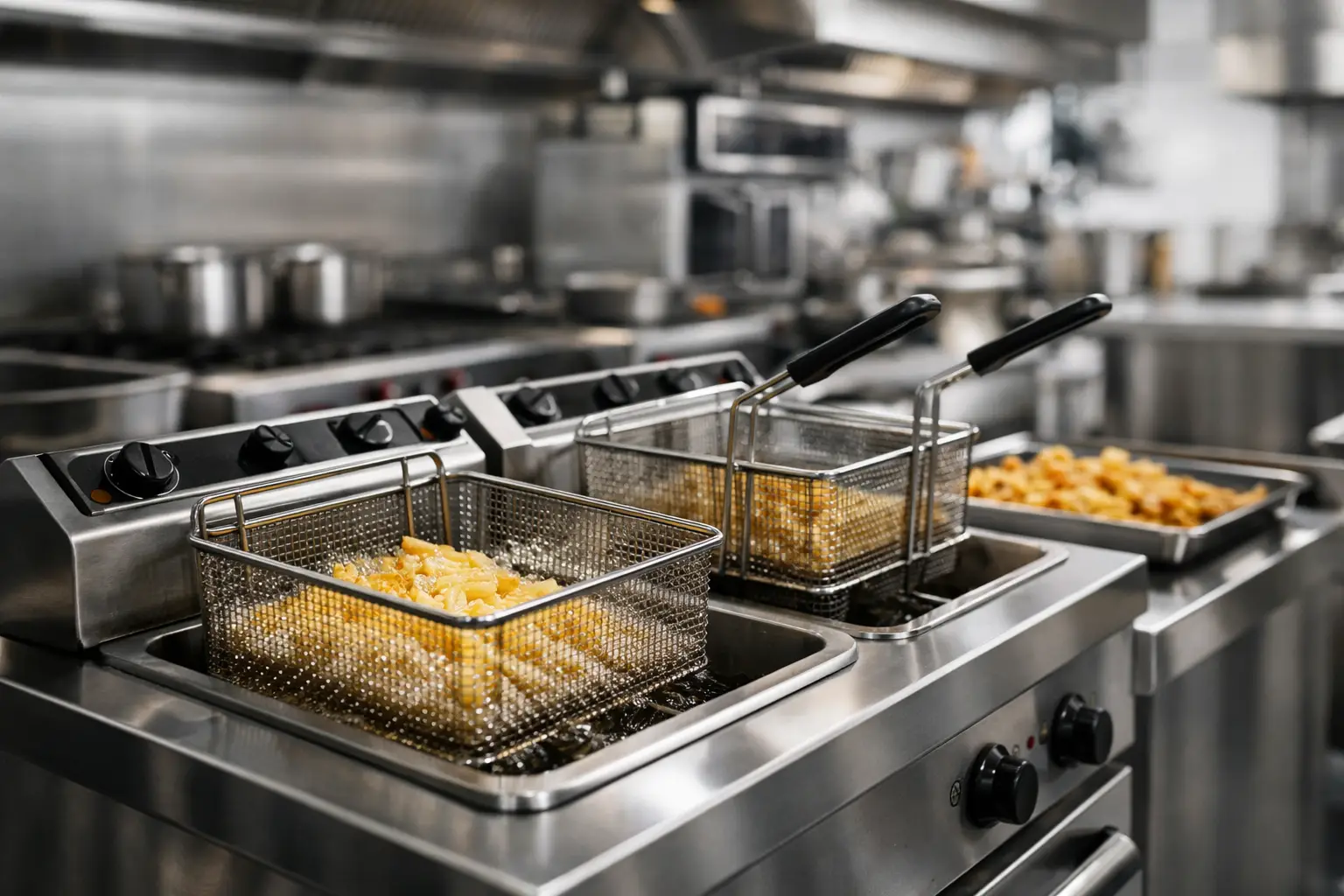
A fryer can be one of the hardest-working pieces of equipment in a takeaway shop, pub kitchen or busy restaurant pass. When chips, schnitzels, seafood and sides are moving at the same time, slow recovery and inconsistent oil temperature quickly become a service problem. Waldorf deep fryers are built for commercial kitchens that need dependable frying capacity, practical controls and a format that suits a serious cooking line.
The right fryer is not simply the largest unit that fits the budget. It needs to match your menu, peak-hour demand, available gas or electrical services, extraction setup and staff workflow. Getting those details right before purchase helps protect food quality, control oil costs and avoid an expensive change to the kitchen layout later.
Why Waldorf deep fryers suit busy venues
Waldorf is well known in Australian commercial kitchens for equipment designed around day-to-day hospitality use. For operators, that usually means a fryer format that is familiar to chefs, straightforward to clean and suited to placement alongside other commercial cooking equipment.
The real value is in consistent output. A commercial fryer must recover temperature promptly after baskets are loaded, particularly during a lunch rush or a large function. If recovery is too slow, food can absorb more oil, take longer to cook and leave the pass looking untidy. If the fryer is oversized for the actual trade, the venue may instead carry unnecessary oil, energy and cleaning costs.
For many kitchens, Waldorf deep fryers make sense where the fryer is part of a wider cookline rather than a standalone appliance. A takeaway shop might prioritise two independent pans so chips can be separated from fish or chicken. A pub may need a larger-volume setup to keep up with fries and share plates. A caterer may value a configuration that fits the available production kitchen and can handle concentrated service periods.
Start with your menu and peak trade
Before comparing fryer sizes, look at what is actually going through the baskets. This is more useful than choosing a unit based on how many meals the venue serves over an entire day.
A café offering occasional chips alongside sandwiches has very different needs from a burger venue selling fries with nearly every order. Likewise, a seafood operation should consider whether a separate pan is needed to avoid flavour transfer and make oil management easier. If dietary separation is part of your offer, such as a dedicated gluten-free fryer, that requirement should be built into the equipment plan from the start.
Capacity is about recovery, not just oil volume
Oil capacity matters, but it does not tell the whole story. A fryer with more oil may suit larger batches, while heat input and fryer design influence how quickly cooking temperature returns after frozen or chilled product is added.
Ask your kitchen team to identify the busiest 15 to 30 minutes of a normal service. Estimate the number of portions required in that window, the usual basket load and whether multiple products are being cooked at once. That gives a much clearer guide to the pan configuration and output required.
Do not assume one large pan is always the better buy. Twin-pan fryers allow separate cooking zones and can reduce waste when trade is uneven. During quieter periods, staff may only need to run one pan. A single larger pan can work well where one high-volume product dominates the menu, but it offers less flexibility.
Gas or electric: choose around the site
The best fuel type depends on the services already available and the way the kitchen is being designed. Gas fryers can be a practical choice for venues with suitable gas infrastructure and a cookline already planned around gas equipment. Electric fryers can suit sites where electrical supply is the better option or where gas is not available.
This decision should never be made in isolation. Confirm the unit’s power or gas requirements, clearances, ventilation needs and installation conditions before ordering. Gas work must be completed by appropriately licensed trades, while electrical connections need to be assessed by a qualified electrician. Your extraction canopy, fire safety arrangements and local approvals also need to be considered as part of the complete installation.
Oil management is where running costs are won or lost
The purchase price is only one part of fryer ownership. Oil, labour, energy and downtime can have a far greater effect on the cost of a fryer over its working life.
Good oil handling starts with staff habits. Avoid overloading baskets, shake off loose ice from frozen food where appropriate, skim crumbs regularly and keep the fryer at the recommended cooking temperature. Small burnt particles continue cooking in the oil and can affect flavour, colour and oil life. Filtering oil at the right intervals can also make a meaningful difference, especially in venues frying crumbed products all day.
Cleaning must be realistic for the team on shift. A fryer that is difficult to drain, filter or access may be cleaned less thoroughly when service is busy. Look closely at drain valves, basket arrangement, splashback space and how the unit will be positioned for safe access. Allow room for staff to work around it without carrying hot oil across a crowded kitchen.
Oil disposal also needs a plan. Used cooking oil should be collected and stored safely in line with the venue’s waste arrangements, rather than becoming an afterthought at closing time. A well-planned fryer station considers fresh oil storage, filtration equipment, safe draining and collection access together.
Plan the fryer station, not just the fryer
A fryer performs better when it sits in a sensible workflow. The cook should have easy access to frozen product or prepared portions, seasoning, draining space, packaging or plating, and a clear route to the pass. If chips are a major part of the menu, a landing bench or heated holding solution may be just as important as the fryer itself.
Leave practical space at either side of the unit for baskets, utensils and cleaning. Think about where staff will place a basket when checking product, how they will carry hot food to the pass and whether opening a nearby oven or refrigerator door will create a bottleneck. These details are often missed in a replacement purchase, particularly when a new fryer has a different footprint from the outgoing unit.
For a new venue, fryer selection should be coordinated with the entire cooking line, extraction canopy and stainless-steel benches. CKE Sydney can assist operators who are purchasing one piece of equipment as well as businesses planning a complete commercial kitchen fitout.
What to check before placing an order
Make the final comparison on the information that affects your site and trade, not on a headline price alone. Confirm the overall dimensions, pan configuration, fuel type, output specifications, basket inclusions, warranty terms and required installation clearances. Check whether delivery access is suitable too, especially for sites with stairs, tight doorways or limited loading areas.
It is also worth asking about parts availability and servicing options in your area. All commercial equipment needs preventative care, and a fryer that is central to the menu should not be treated as easily replaceable. Keep model details, serial numbers and service records on file so faults can be handled quickly.
Price matters, particularly when opening or refurbishing a kitchen, but it should be measured against the right capacity and the likely operating cost. Finance may help spread the upfront investment for eligible businesses, while a quality pre-owned option can sometimes suit a lower-budget project. The condition, warranty and installation requirements still need the same careful assessment.
A well-chosen fryer gives your team a reliable station when the docket rail is full. Start with the busiest service you need to handle, check the site services before committing, and choose the Waldorf fryer configuration that lets staff cook safely, clean efficiently and keep orders moving.